


How the Celebrations Began
For decades, professional football players celebrated touchdowns with little fanfare. The traditional approach was simple: hand the ball to the referee and return to the sidelines. Then players began adding their own flair, turning a scoring play into an opportunity to entertain the crowd.
One early innovator was New York Giants wide receiver Homer Jones, who popularized the football spike around 1965. Rather than quietly handing over the ball, Jones threw it forcefully into the ground. A few years later, Kansas City Chiefs receiver Elmo Wright added high-stepping moves that helped pave the way for more elaborate celebrations.
The First Famous Touchdown Dance
The player most often credited with popularizing touchdown dancing is Billy “White Shoes” Johnson. Playing for the Houston Oilers in the 1970s, Johnson introduced a lively routine inspired by musician Rufus Thomas's song “Do the Funky Chicken.”
Johnson's dance featured wiggling knees, swinging arms, and plenty of personality. His performances became a fan favorite and helped transform touchdown celebrations into part of football's entertainment. In 1988, Cincinnati Bengals running back Ickey Woods added another memorable routine with his famous “Ickey Shuffle,” a side-to-side dance that became a sensation.
Why Were the Dances Limited?
As celebrations grew more elaborate, the NFL worried that players were showing off, taunting opponents, or delaying the game. In 1984, the league began cracking down on excessive and preplanned celebrations. Even Johnson's signature dance was penalized at times, earning the NFL its familiar nickname, the “No Fun League.”
Over the years, players such as Terrell Owens, Chad Johnson (later Ochocinco), and Cam Newton pushed the boundaries with creative routines. Fans loved the entertainment, but officials continued to enforce restrictions on unsportsmanlike conduct.
What Dances Are Allowed Today?
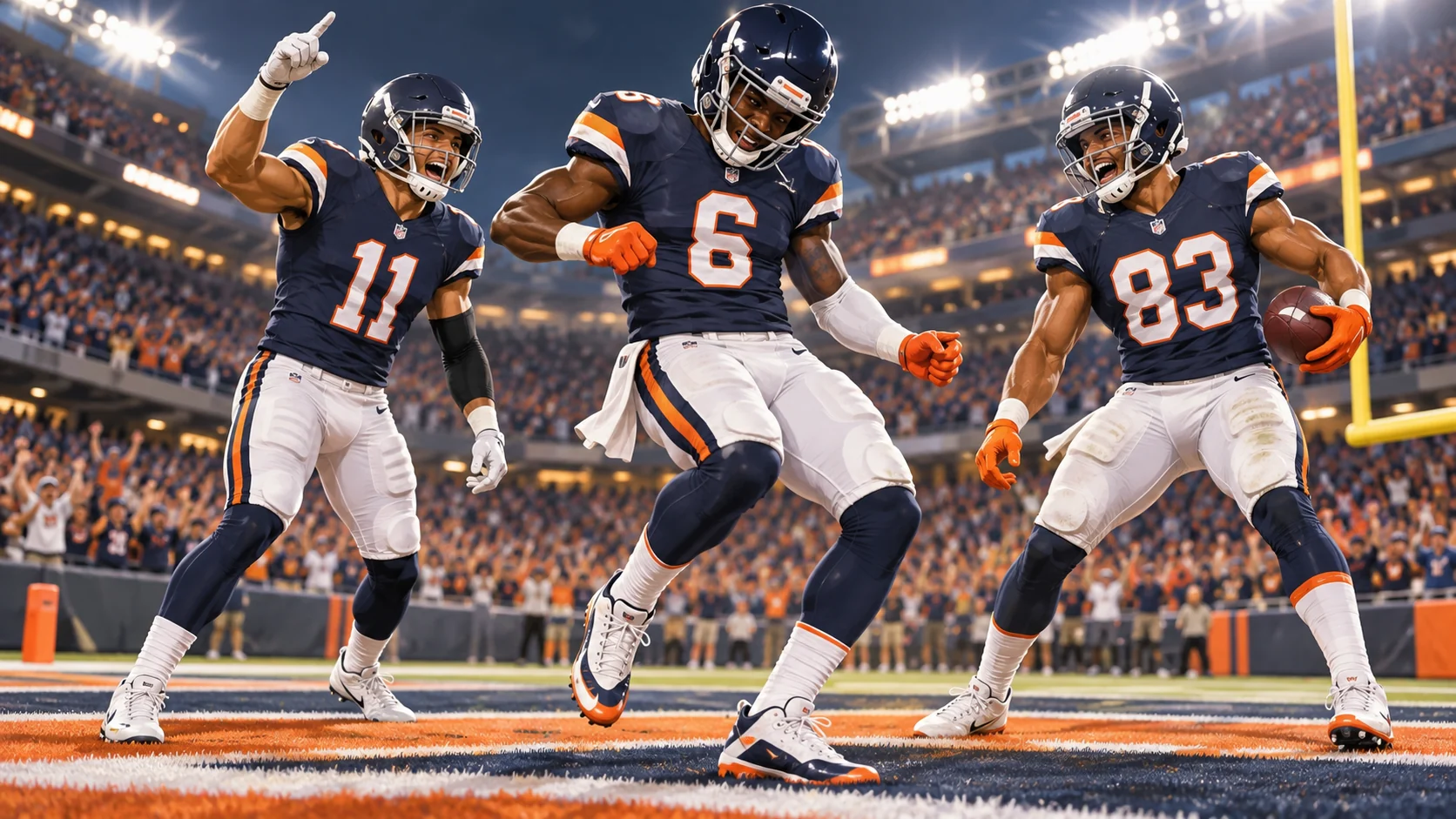
In 2017, the NFL relaxed its rules, allowing group celebrations, football-related props, and routines performed on the ground. Players could once again show their personalities through choreographed dances, synchronized movements, and imaginative touchdown performances, provided they did not taunt opponents or delay the game excessively.
The rules continue to evolve. In October 2026, the NFL and NFL Players Association clarified that pretending to drink a beverage is permitted, following fines for players whose gestures were interpreted as mimicking beer drinking. However, celebrations depicting violence, weapons, smoking, drug use, or sexual behavior remain prohibited.
Today's touchdown dances are more than spontaneous celebrations. They are entertainment, personal trademarks, and sometimes viral sensations. Whether a player performs a familiar shuffle, copies a popular dance trend, or invents a new routine, the end zone has become a stage where athletic achievement meets show business.