





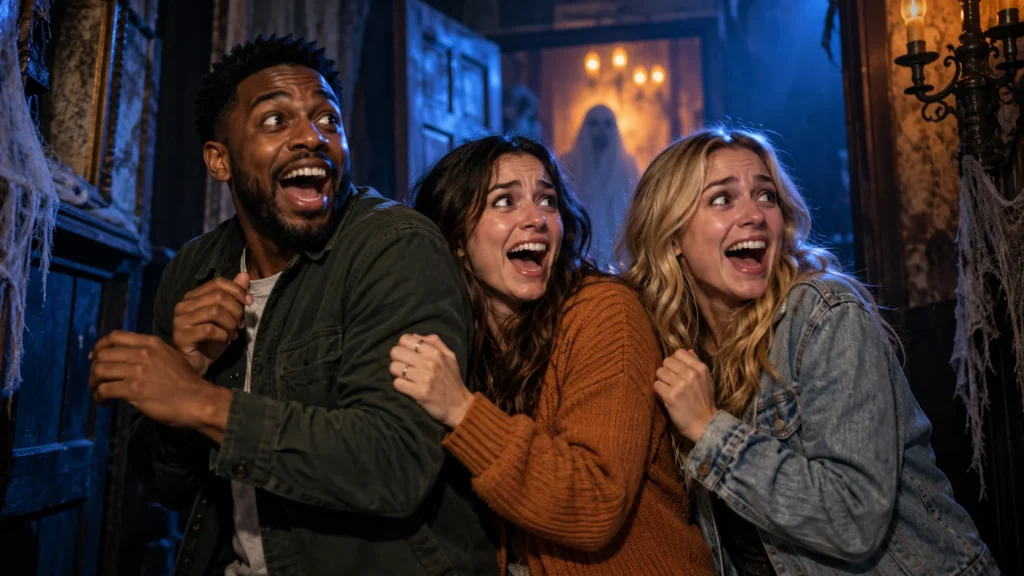
The Thrill of a Good Scare
Why would anyone willingly sit in a dark theater watching a terrifying horror movie, pay to walk through a haunted house, or ride a roller coaster that makes the stomach leap into the throat? After all, most people spend their lives trying to avoid frightening situations. Yet millions of people actively seek out experiences that make their hearts race and their palms sweat. The answer lies in the fascinating psychology of fear.
Fear With a Safety Net
Fear is a natural survival response designed to protect us from danger. When the brain senses a threat, it triggers the body's fight-or-flight response, releasing stress hormones such as adrenaline. Heart rates increase, breathing quickens, and the body prepares to react.
However, when people watch a horror movie or explore a staged haunted house, they usually know they are not in real danger. This knowledge creates an interesting contrast: the body reacts as if something terrible might happen, while the mind recognizes that the situation is relatively safe. That combination allows people to experience fear without facing its usual consequences.
The Excitement of Horror Movies
Horror movies have entertained audiences for generations, from classic monster films to today's supernatural thrillers and psychological horror stories. Part of their appeal is the emotional roller coaster they provide. Suspense builds, frightening scenes deliver a jolt, and relief follows when the danger passes.
Some viewers also enjoy solving mysteries, anticipating plot twists, or confronting imaginary versions of real-world fears. Horror can offer a way to explore subjects such as death, the unknown, and human behavior from a comfortable distance. For others, the attraction is simply the excitement of being startled.
Haunted Houses and the Need for a Thrill
Haunted attractions offer something movies cannot: the feeling of being inside the frightening story. Actors jump from dark corners, strange noises echo through hallways, and unexpected surprises keep visitors guessing.
These experiences can also become social adventures. Friends and families laugh, scream, and cling to one another, creating shared memories. Sometimes, the laughter that follows a scare is just as enjoyable as the fright itself.
Why Some People Love Fear More Than Others
Not everyone enjoys being scared. People who seek out intense experiences may be more drawn to novelty, excitement, and strong emotional stimulation. Others prefer mild suspense but find graphic violence or realistic threats unpleasant.
Personality, past experiences, mood, and personal tolerance for uncertainty can all influence how someone responds to frightening entertainment.
The Pleasure of Making It Through
One of the biggest rewards of a scary experience is the feeling that comes afterward. Once the threat disappears, tension fades, relief arrives, and people may feel energized or proud of themselves for facing something frightening.
Ultimately, the appeal of fear comes down to a curious human contradiction: we want to feel safe, but we also enjoy testing our limits. When danger is carefully contained within a movie screen or a haunted-house attraction, fear can become an exciting adventure rather than something to escape.