




Extreme Heat Is Becoming More Common
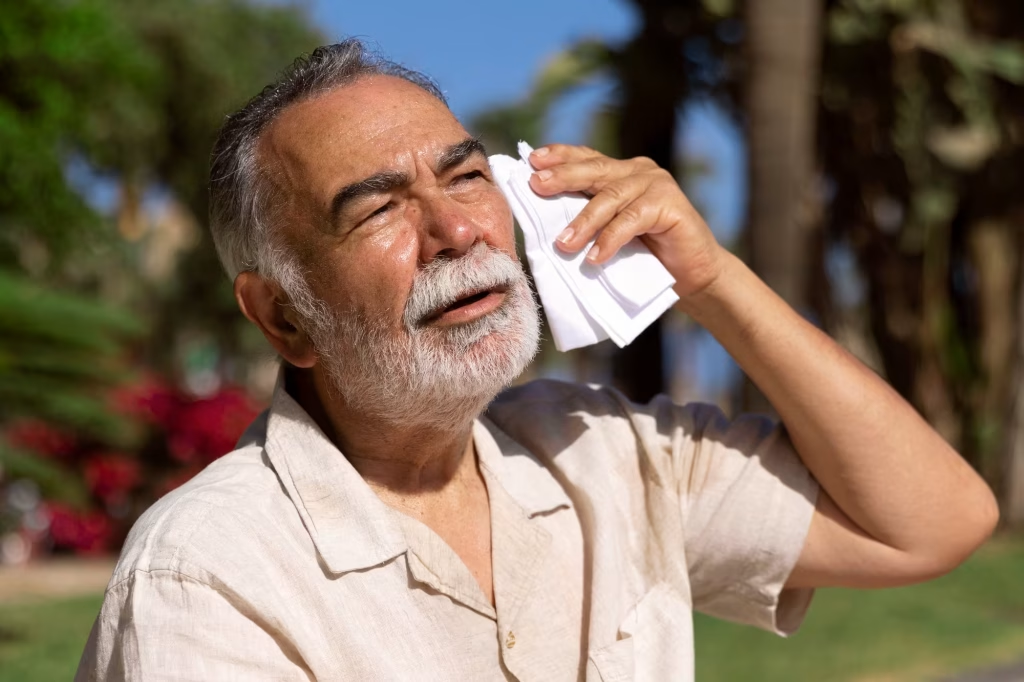
From North America to Europe and Asia, much of the world is experiencing hotter summers and longer-lasting heat waves than in decades past. Climate experts have noted that record-breaking temperatures are becoming more frequent, making it more important than ever to understand the dangers of extreme heat. One of the most serious heat-related illnesses is heatstroke, a medical emergency that requires immediate attention.
What Is Heatstroke?
Heatstroke occurs when the body’s natural cooling system can no longer keep up with the heat. Normally, sweating helps regulate body temperature. However, during prolonged exposure to high temperatures or intense physical activity, the body’s core temperature can rise rapidly—often reaching 104°F (40°C) or higher. When this happens, the brain, heart, kidneys, and other vital organs can begin to suffer damage.
Unlike heat exhaustion, heatstroke does not improve simply by resting in the shade or drinking water. Without prompt treatment, it can become life-threatening.
Warning Signs to Watch For
Recognizing the symptoms of heatstroke can save a life. Warning signs include a high body temperature, hot, red skin that may be dry or only slightly sweaty, confusion, slurred speech, dizziness, severe headache, nausea or vomiting, rapid heartbeat, and difficulty walking. In more serious cases, a person may become disoriented, lose consciousness, or experience seizures.
Older adults, young children, outdoor workers, athletes, and people with chronic medical conditions are especially vulnerable, but heatstroke can happen to anyone.
What to Do in an Emergency
If you suspect that you or someone else is experiencing heatstroke, call emergency medical services immediately. While waiting for help to arrive, move the person to a cool or shaded location. Remove unnecessary clothing and begin cooling the body with cool water, damp towels, fans, or ice packs placed on the neck, armpits, and groin. If the person is unconscious or confused, do not give them anything to drink, as they could choke.
The best defense against heatstroke is prevention. Stay hydrated, wear lightweight clothing, avoid strenuous activity during the hottest part of the day, and never leave children or pets in parked vehicles. Taking heat warnings seriously can help keep you and your loved ones safe throughout the summer.