


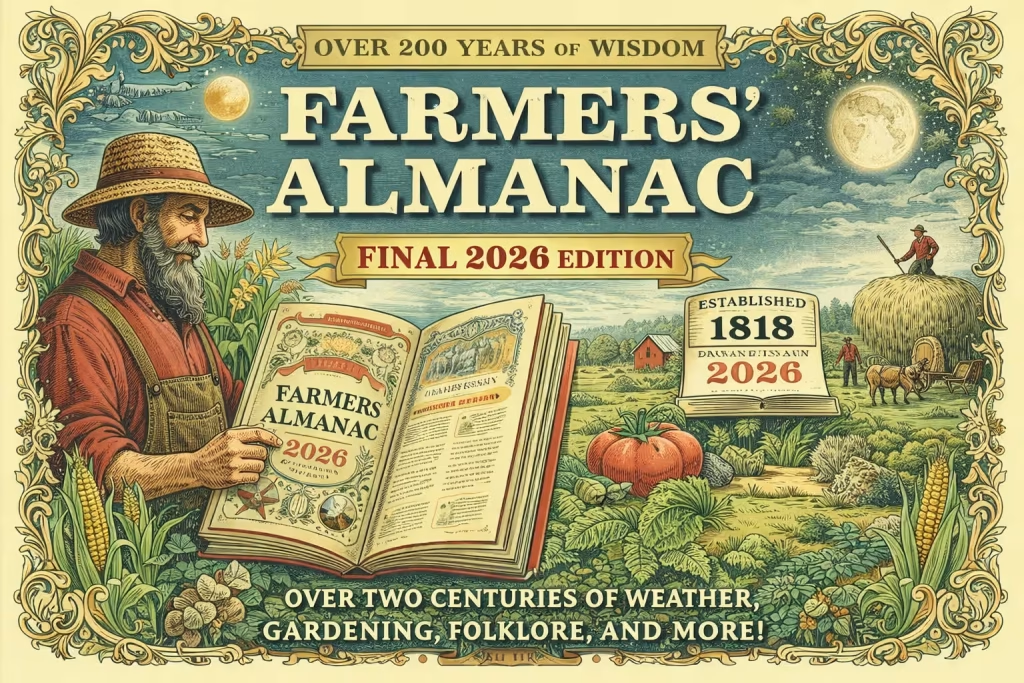
The Farmers’ Almanac has been a beloved annual American publication offering long-range weather forecasts, gardening and farming tips, folklore, astronomical data and practical household advice for over two centuries. First published in 1818, it has served readers across the United States and Canada as a go-to source for “seasonal wisdom” and old-school lifestyle guidance. The almanac blends weather long-range forecasts with tips on everything from planting schedules to fishing calendars, moon phases, natural remedies and humorous trivia.
A Long History
Founded in the early 19th century by poet and astronomer David Young and first printed in Morristown, New Jersey, the Farmers’ Almanac became an annual tradition for rural and urban readers alike. Over the decades, it adapted to changing times with new editors and, later, a digital presence beginning in 1997. Despite debate over the scientific accuracy of its forecasts, it maintained a dedicated following based on tradition and practical guidance.
Worldwide Recognition?
While its primary audience was in North America, the Farmers’ Almanac was known internationally among gardening enthusiasts and weather folklore fans. It wasn’t a globally authoritative meteorological guide like national weather services, but it held cultural significance far beyond its region of origin.
Final Edition and 2026 Predictions
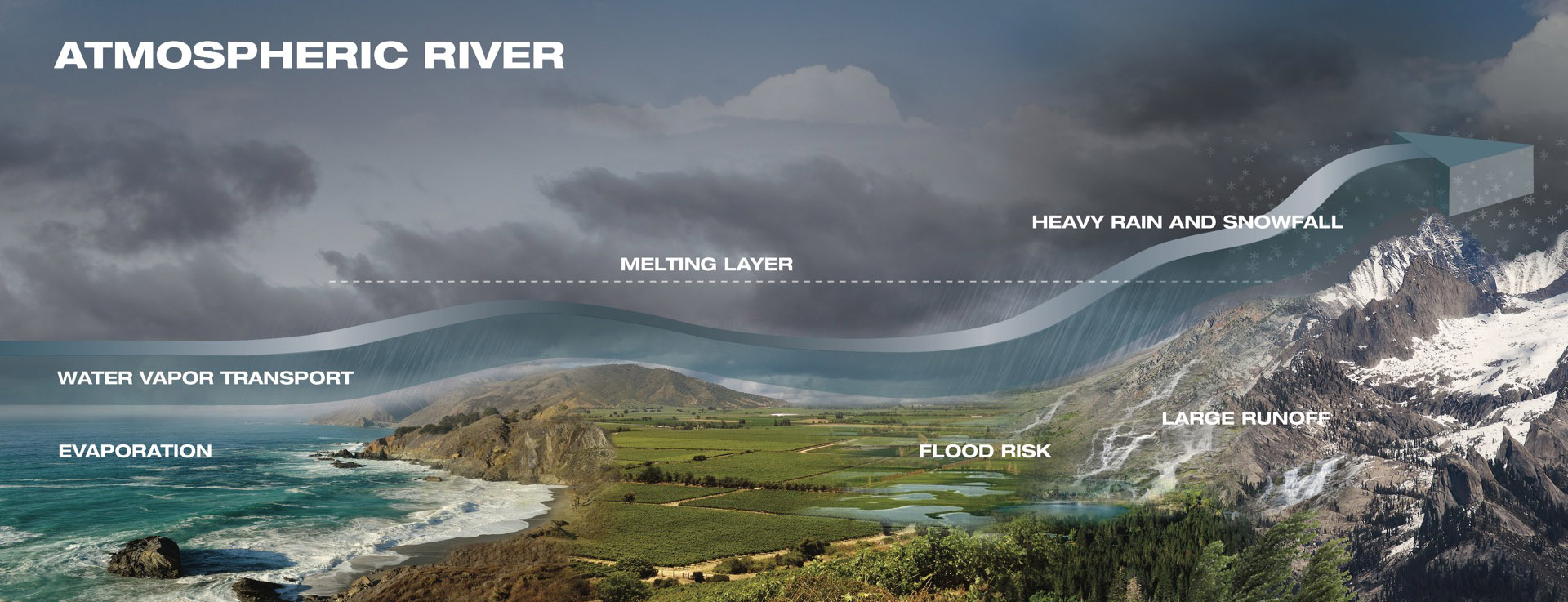
In a poignant turn, the Farmers’ Almanac announced that its 2026 edition will be the final issue after 208 years of continuous publication, citing financial pressures and shifts in the media landscape. That final edition, released in 2025 and covering 2026, includes long-range forecasts calling for a slow-to-warm spring with lingering cool spells, frequent storms and wetter conditions across many regions, as well as tips for gardeners to protect crops from late frosts and soggy soil.
As this historic annual closes its chapters, its legacy of blending meteorological lore with everyday life advice remains a testament to how people have historically looked to the skies—and the calendar—for guidance.