





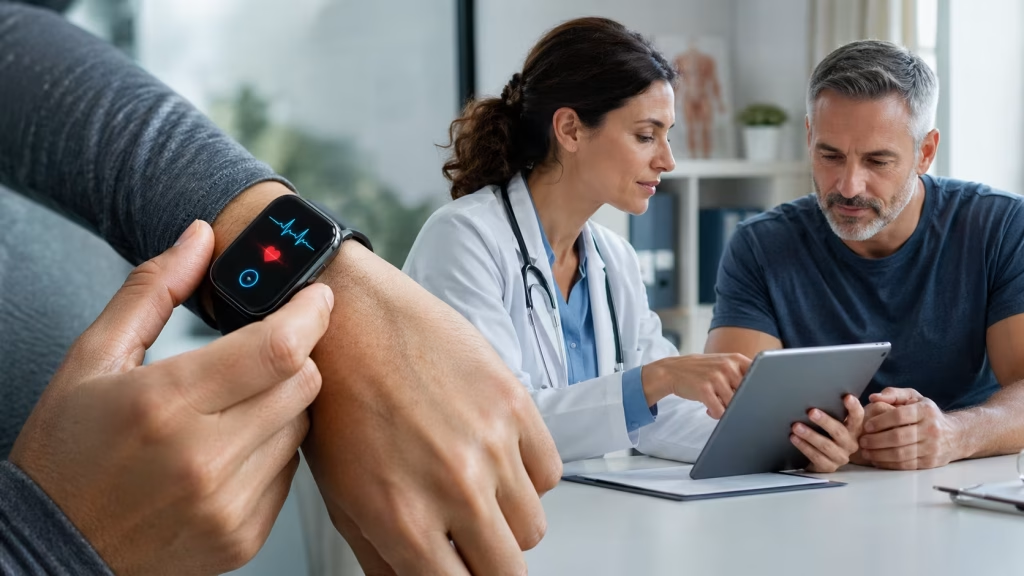
Wearable medical technology has quietly transformed how people understand and manage their health. From simple step counters to sophisticated devices that monitor heart rhythms and blood oxygen levels, wearable medical data is reshaping both personal wellness and professional healthcare. What began as a niche innovation has grown into a mainstream tool that empowers individuals to take a more active role in their health.
From Pedometers to Smart Health Devices
The concept of wearable health tracking dates back several decades. Early pedometers, introduced in the mid-20th century, were among the first devices to track physical activity. However, the modern era of wearable medical data began in the early 2000s with the rise of fitness trackers. These devices initially focused on counting steps, calories burned, and basic activity levels.
As technology advanced, so did the capabilities of wearables. By the 2010s, devices evolved to include heart rate monitoring, sleep tracking, and even GPS functionality. The introduction of smartwatches marked a major turning point, integrating health monitoring with everyday convenience. Today’s wearables can detect irregular heart rhythms, monitor stress levels, measure blood oxygen saturation, and even provide early warnings for potential health issues.
The Evolution of Data and Insight
Wearable technology has gone through several key stages. First came data collection—simply recording steps or heart rate. Next was data visualization, where users could see trends and patterns through apps. Now, we are in the era of actionable insights, where devices not only collect data but also interpret it, offering recommendations and alerts.
Artificial intelligence and machine learning have further enhanced this evolution. Wearables can now identify anomalies and provide personalized feedback, helping users make informed decisions about exercise, sleep, and overall wellness.
Strengthening the Doctor-Patient Connection
One of the most powerful benefits of wearable medical data is its ability to improve communication between patients and healthcare providers. Instead of relying solely on occasional check-ups, doctors can now review continuous streams of real-world data. This allows for more accurate diagnoses and more personalized treatment plans.
For example, a patient experiencing irregular heartbeats can share detailed data with their doctor, making it easier to identify patterns and triggers. Similarly, individuals managing chronic conditions like diabetes or hypertension can provide ongoing data that helps doctors adjust treatments in real time.
A More Personalized Future of Healthcare
Wearable medical data is paving the way for a more proactive and personalized approach to healthcare. By giving individuals access to their own health metrics and enabling better collaboration with medical professionals, these devices are shifting the focus from reactive treatment to preventive care.
As technology continues to evolve, wearable devices are likely to become even more integrated into everyday life—offering deeper insights, earlier warnings, and stronger connections between patients and their healthcare teams.