





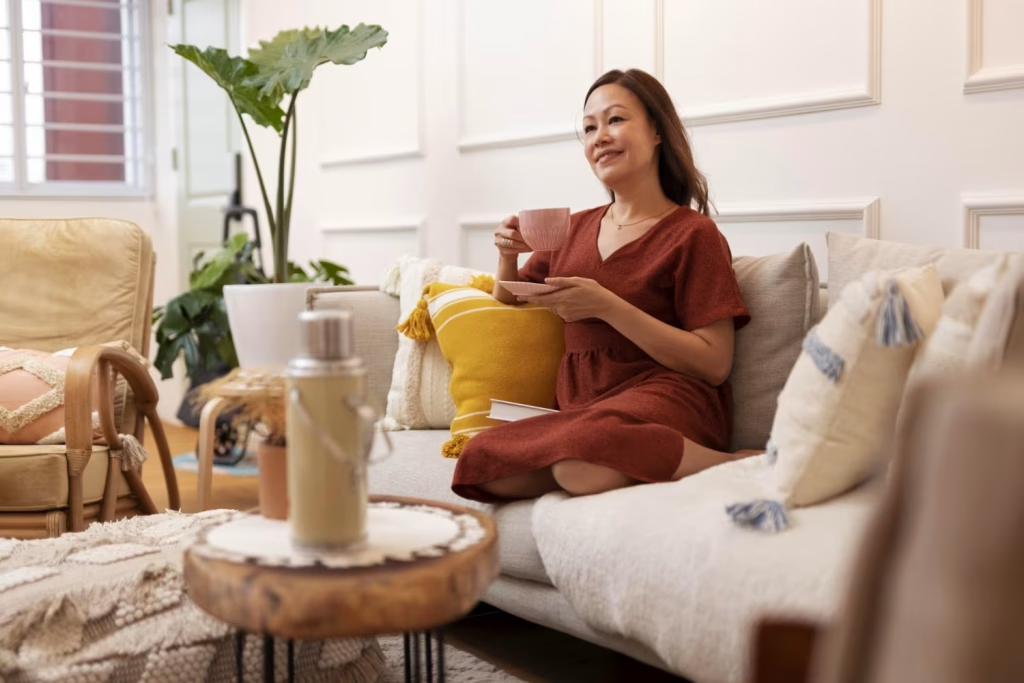
In a world that often celebrates hustle culture, packed schedules, and constant productivity, a newer lifestyle trend called “soft living” has emerged as a refreshing alternative. Rather than pushing people to constantly achieve more, soft living encourages individuals to slow down, protect their peace, and focus on emotional well-being and balance.
While the phrase itself became especially popular on social media in the early 2020s, the ideas behind soft living have existed for generations. Many cultures have long embraced slower, intentional lifestyles centered on rest, community, and mindfulness. Today, however, younger generations have given the concept a modern name and a growing online movement.
What Exactly Is Soft Living?
Soft living is a lifestyle philosophy focused on reducing unnecessary stress and creating a gentler, more intentional way of life. It often includes setting boundaries, prioritizing mental health, enjoying simple pleasures, and avoiding burnout.
For some people, soft living may mean leaving behind exhausting work habits. For others, it could involve spending more time outdoors, cooking at home, journaling, reading, or simply saying “no” more often. The idea is not laziness or lack of ambition. Instead, it is about creating a healthier relationship with work, relationships, and personal expectations.
Many advocates of soft living emphasize quality over quantity — fewer obligations, fewer toxic relationships, and more meaningful experiences.
How Did the Trend Begin?
Soft living gained momentum after the global pandemic changed how many people viewed work-life balance. During lockdowns, millions reconsidered their priorities, mental health, and daily routines. Social media platforms helped spread the concept quickly, especially among younger adults discussing burnout, anxiety, and the pressures of modern life.
The movement also grew as remote work became more common. People discovered they valued flexibility, personal time, and emotional wellness more than nonstop busyness.
At the same time, conversations about self-care evolved. Earlier self-care trends often focused on luxury products or spa days. Soft living shifted the focus toward emotional peace, rest, and sustainable daily habits.
Does Soft Living Depend on Age or Circumstance?
Soft living is not limited to one age group, although it is especially popular among Millennials and Gen Z adults who openly discuss mental health and work stress. Still, people of all ages can embrace aspects of the lifestyle.
Circumstances do play a role, however. Financial responsibilities, demanding careers, caregiving duties, and cultural expectations may make soft living easier for some people than others. A single parent working multiple jobs may define soft living very differently than a young remote worker with flexible hours.
That said, supporters argue that soft living is less about wealth and more about mindset. Even small changes — protecting personal time, limiting stress, or practicing mindfulness — can support a softer approach to life.
A Shift Toward Balance
Ultimately, soft living reflects a growing desire for balance in a fast-moving world. As more people seek healthier ways to live and work, the movement continues to resonate across generations. Rather than glorifying exhaustion, soft living encourages people to value rest, joy, and emotional well-being as meaningful parts of a successful life.