





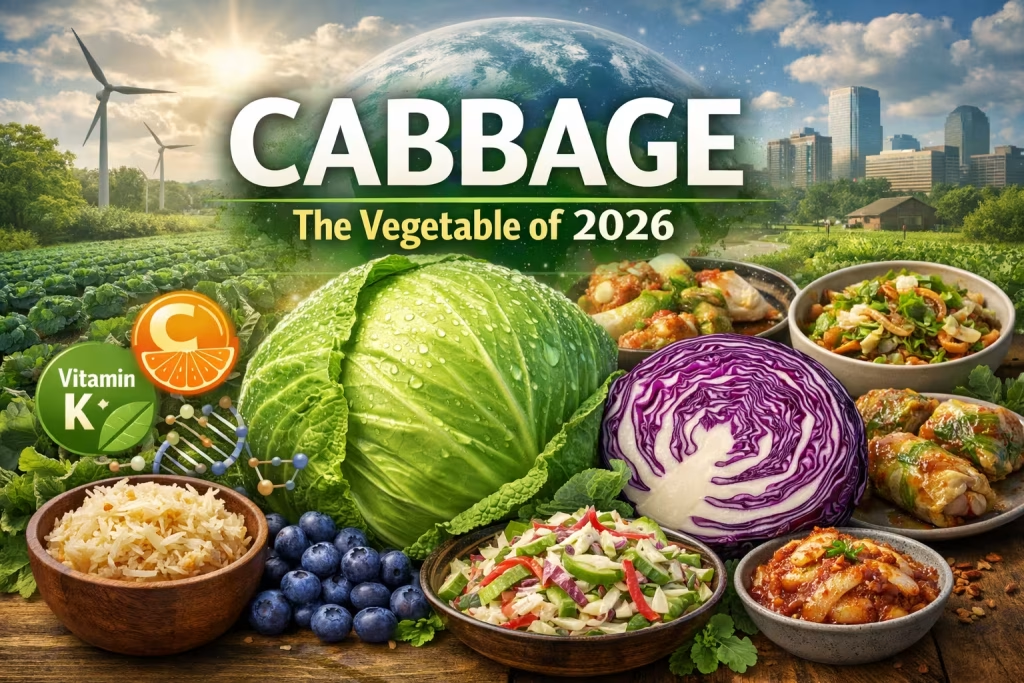
Move over kale and step aside cauliflower—cabbage has officially earned the spotlight as the Vegetable of 2026. Nutrition experts, food trend analysts, and chefs alike are celebrating this humble leafy green for its exceptional health benefits, affordability, sustainability, and global culinary versatility. Once considered a simple side dish, cabbage is now being recognized as a nutritional powerhouse and a star ingredient for modern kitchens.
A Nutritional Powerhouse
Cabbage delivers impressive health benefits in every crunchy bite. It’s rich in vitamin C, which supports immune health and skin vitality, and vitamin K, essential for bone strength and proper blood clotting. It also provides fiber, which aids digestion and supports gut health.
One of cabbage’s biggest strengths is its abundance of antioxidants, including compounds called glucosinolates. These natural plant chemicals have been studied for their potential role in reducing inflammation and supporting the body’s defense against certain chronic diseases. Red cabbage, in particular, contains anthocyanins—the same heart-healthy pigments found in blueberries.
Low in calories but high in nutrients, cabbage is an excellent choice for anyone looking to eat healthier, manage weight, or increase vegetable intake without increasing grocery costs.
Budget-Friendly and Sustainable
Another reason cabbage earned the Vegetable of 2026 title is its practicality. It’s one of the most affordable vegetables in the produce aisle and has an impressively long shelf life compared to delicate greens. A single head can last weeks in the refrigerator, making it ideal for reducing food waste.
From an environmental standpoint, cabbage is also a smart choice. It grows efficiently, requires relatively fewer resources than many specialty crops, and stores well without excessive packaging or transportation needs.
A Global Culinary Star
Cabbage’s popularity isn’t new—it has been a staple in cuisines around the world for centuries. Its ability to be eaten raw, cooked, or fermented makes it incredibly versatile.
Fermented cabbage dishes are especially celebrated for their probiotic benefits. In Korea, Kimchi is a spicy, tangy staple packed with beneficial bacteria. Germany and Eastern Europe are known for Sauerkraut, which pairs perfectly with meats and adds digestive benefits. In Eastern Europe and the Middle East, stuffed cabbage rolls—often called Golubtsi—combine cabbage leaves with rice and meat for a comforting meal.
Fresh cabbage also shines in dishes like coleslaw, stir-fries, soups, tacos, and salads, proving it can fit into nearly any cuisine or cooking style.
The Year of the Leaf
Cabbage’s rise to the top reflects a broader shift toward practical, nutrient-dense foods that support both personal health and environmental sustainability. With its long list of benefits, global culinary roots, and unmatched versatility, cabbage isn’t just the Vegetable of 2026—it’s a reminder that sometimes the most powerful superfoods have been hiding in plain sight all along.