


The 4th of July Is a Celebration—But Safety Matters
The 4th of July is one of America’s most celebrated holidays, filled with barbecues, parades, gatherings, and spectacular fireworks displays. However, it is also one of the most dangerous holidays of the year when it comes to preventable injuries. Every year, thousands of people visit emergency rooms because of fireworks-related accidents, burns, falls, fires, and other holiday mishaps.
According to safety reports from organizations such as the U.S. Consumer Product Safety Commission, fireworks are responsible for thousands of injuries annually, with the weeks surrounding Independence Day accounting for the majority of these incidents. Recent estimates show that more than 10,000 people are treated in emergency departments each year for fireworks injuries. The most common injuries include burns, cuts, bruises, eye injuries, and injuries to the hands and fingers. Young children and teenagers are among those most frequently hurt, often because they are inexperienced with fireworks or are standing too close when they are launched.
Common Ways 4th of July Injuries Happen
Many fireworks injuries happen because people underestimate how powerful even small fireworks can be. Sparklers, which are often considered harmless, can burn at temperatures hot enough to melt some metals and can cause serious burns, especially when children hold them incorrectly or touch the hot wire after the sparkler burns out.
Other common injuries occur when fireworks malfunction, explode too early, or are held in the hand instead of placed on the ground. Eye injuries are especially concerning because flying sparks, debris, and exploding fireworks can cause permanent vision damage. Alcohol consumption can also increase the risk of accidents by affecting judgment, reaction time, and decision-making.
Beyond fireworks, other holiday injuries can happen from swimming accidents, grilling fires, heat exposure, and car crashes. Staying alert and planning ahead can help ensure the celebration ends safely.
The Safest Way to Light Legal Fireworks at Home
If fireworks are legal in your area and you choose to use them, preparation is essential. Always purchase fireworks from licensed sellers and follow local laws. Before lighting anything, read the instructions carefully and choose an open outdoor area away from houses, trees, dry grass, vehicles, and flammable materials.
Keep a bucket of water, garden hose, or fire extinguisher nearby in case something goes wrong. Only one person should be responsible for lighting fireworks, and that person should wear eye protection and avoid loose clothing. Never allow children to handle fireworks without close adult supervision, and never hold fireworks while they are being lit.
Light fireworks one at a time, then move away quickly to a safe distance. Never attempt to relight a firework that does not go off immediately. Wait several minutes, then soak it in water before throwing it away. Used fireworks should also be placed in a bucket of water before disposal because they can remain hot and cause fires.
The Serious Dangers of Illegal Fireworks
Illegal fireworks create some of the greatest risks on the 4th of July. Firecrackers, homemade explosives, large aerial shells, and other banned devices can contain far more explosive power than consumer fireworks. These products may not meet safety standards and can cause devastating injuries, including severe burns, loss of fingers, hearing damage, and life-threatening accidents.
Illegal fireworks are also a major cause of neighborhood fires. They can ignite roofs, dry grass, trees, and vehicles, especially during hot and dry summer conditions. Using illegal fireworks can also result in fines, property damage, and legal consequences. A few seconds of excitement is not worth risking serious harm.
Fireworks, Frightened Pets, and People With PTSD
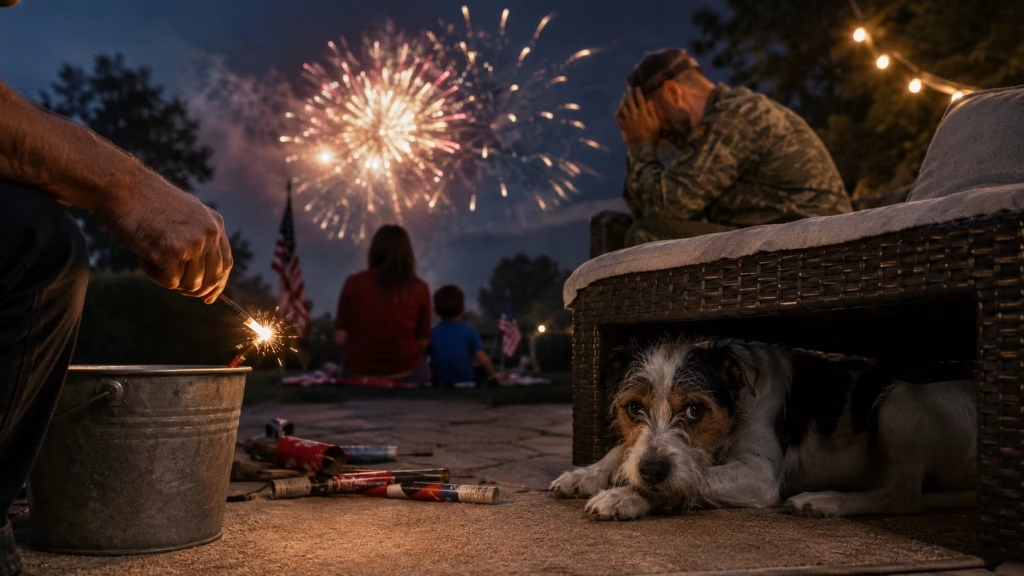
The loud explosions and bright flashes of fireworks can be terrifying for animals and deeply distressing for many people. Dogs, cats, and other pets often experience extreme fear during fireworks displays because their hearing is much more sensitive than humans’. Many pets panic, hide, shake, bark excessively, or attempt to escape when fireworks begin. Animal shelters frequently report increases in lost pets around the 4th of July because frightened animals may run through doors, jump fences, or break away from leashes. Pet owners can help by keeping animals indoors, closing windows and curtains, creating a quiet and comfortable space, using calming techniques recommended by veterinarians, and making sure pets have updated identification tags and microchip information. Fireworks can also be especially difficult for people living with post-traumatic stress disorder (PTSD), including some military veterans, survivors of violence, and others who have experienced traumatic events. Sudden explosive sounds and unexpected flashes may trigger intense anxiety, panic responses, fear, or distressing memories. Communities can help by providing advance notice of fireworks displays, respecting quiet hours when possible, and considering quieter alternatives to traditional fireworks. Awareness and compassion allow everyone—including people and animals—to experience the holiday with greater comfort and safety.
Celebrate Smart and Make Safety Part of the Tradition
The best 4th of July celebrations are the ones everyone remembers for the right reasons. By using legal fireworks responsibly, keeping children and pets protected, avoiding dangerous activities, and respecting neighbors who may be affected by fireworks, families can enjoy Independence Day while reducing the risks. A safe celebration means more time enjoying friends, food, and fun—and less time dealing with preventable emergencies.