




What Are Climate Change Refugia?
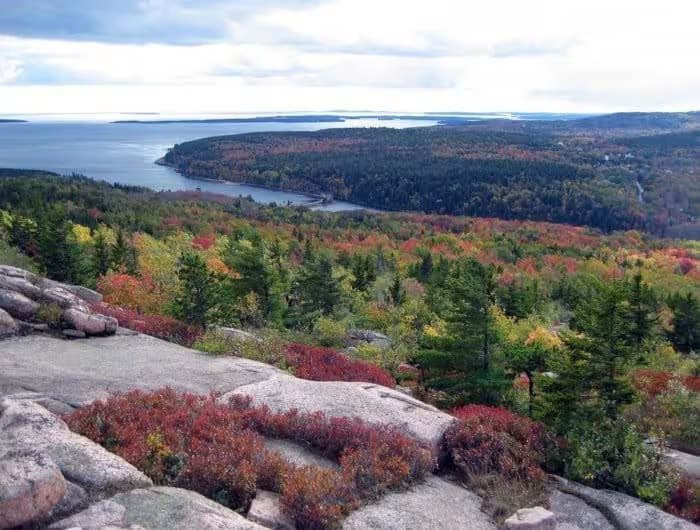
Climate change refugia are places that remain relatively stable despite broader environmental shifts. These areas experience less extreme temperature change, maintain reliable water sources, or possess geographic features that buffer ecosystems from climate stress. As a result, plants, animals, and even human communities can survive there while surrounding regions become less hospitable.
When and Why the Concept Emerged
The idea of refugia dates back to the mid-20th century, when scientists studying ice ages noticed that certain species survived glacial periods in protected pockets. The modern concept of climate change refugia gained traction in the 1990s and early 2000s, as global warming accelerated and biodiversity loss became more evident. Researchers realized that, just as during past climate shifts, some regions could act as lifeboats for species facing rising temperatures, droughts, sea-level rise, and extreme weather.
Why Refugia Matter Today
Refugia are critical because they help preserve biodiversity and ecosystem services such as clean water, pollination, and carbon storage. They also offer guidance for conservation planning, helping governments and organizations prioritize land protection. For humans, climate refugia may influence future migration, agriculture, and urban planning as people seek safer, more resilient places to live.
Where Climate Refugia Are Found
Climate change refugia exist across the globe. In North America, the Pacific Northwest, parts of the Great Lakes region, and higher-elevation areas of the Appalachians are considered potential refuges due to cooler temperatures and abundant freshwater. In South America, the Andes provide altitudinal refugia where species can move uphill as temperatures rise. Europe’s refugia include mountainous regions like the Alps and the Carpathians. Globally, coastal mangroves, deep forests, islands with stable microclimates, and polar-adjacent zones also serve as important refuges.
Looking Ahead
As climate change intensifies, identifying and protecting refugia will be essential. These natural strongholds may not stop climate change, but they offer vital breathing room for nature—and humanity—to adapt and endure.