





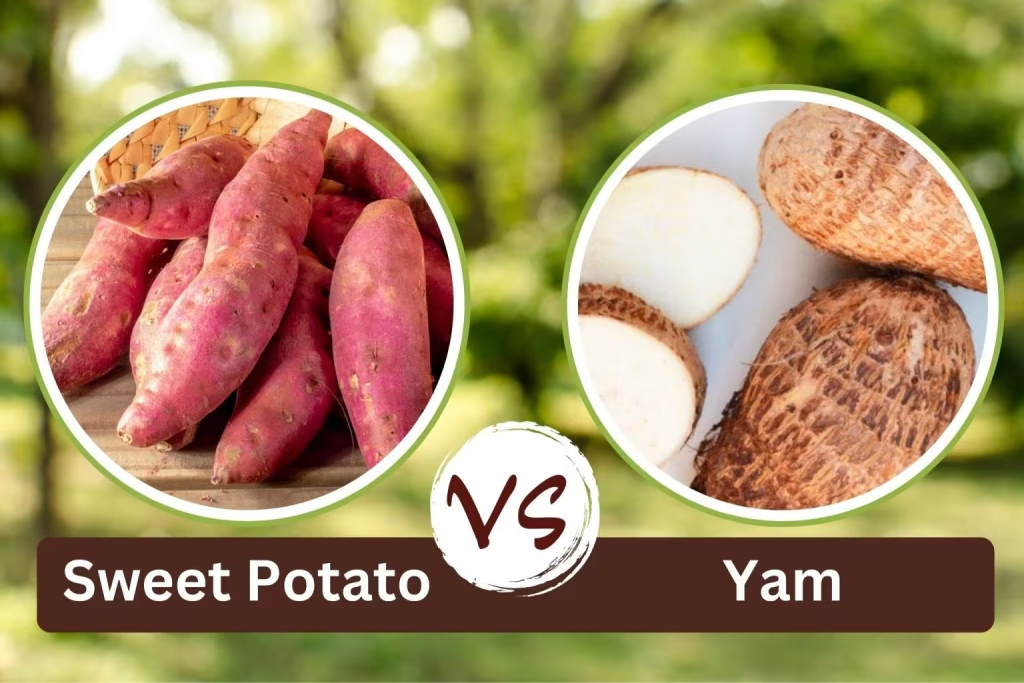
Not the Same Root at All
Although many people use the terms “yam” and “sweet potato” interchangeably, they are botanically and culinarily quite different. Sweet potatoes belong to the morning glory family and come in varieties ranging from pale-fleshed to deep orange. True yams, on the other hand, are part of the Dioscorea family and originate primarily from Africa and parts of Asia. Their rough, bark-like skin and starchy white or purple flesh set them apart from the smoother, sweeter sweet potato.
How They Differ in Taste and Texture
Sweet potatoes are naturally sweet, moist, and soft once cooked. This makes them well suited for dishes like casseroles, pies, roasted sides, or even fries. Orange-fleshed varieties caramelize easily, creating rich flavor in both sweet and savory dishes.
Yams, by contrast, are much starchier and drier. Their flavor is more neutral, allowing them to absorb seasonings well. They are ideal for boiling, frying, or using in hearty stews where their firm texture holds up.
Which One Should You Use?
If a recipe calls for sweetness and a silky interior—such as mashed sweet potatoes or holiday casseroles—the sweet potato is the clear choice. It’s also a great option for baking because of its natural sugars.
Yams are better for savory dishes where structure matters. They work beautifully in stews, curries, and fried preparations where you want pieces to remain intact without becoming mushy.
Pros and Cons of Each
Sweet Potatoes – Pros: Naturally sweet, rich in beta carotene, versatile, easy to find.
Sweet Potatoes – Cons: Can become overly soft in high-moisture dishes; sweetness may not suit all recipes.
Yams – Pros: Firm texture, excellent for savory cooking, mild flavor for versatile seasoning.
Yams – Cons: Less commonly available in many regions, lower natural sweetness, longer cooking times.
Together, they offer a world of culinary possibilities—each shining in the dishes best suited to their strengths.